
Service Area About FAQ Contact Call (817) 854-4111
No more staining

Composite decking for a 100-degree summer

Composite ends the stain cycle, which in this climate is the whole argument. It also moves with heat and can run hot underfoot, so board choice and installation matter more here than in a mild market.
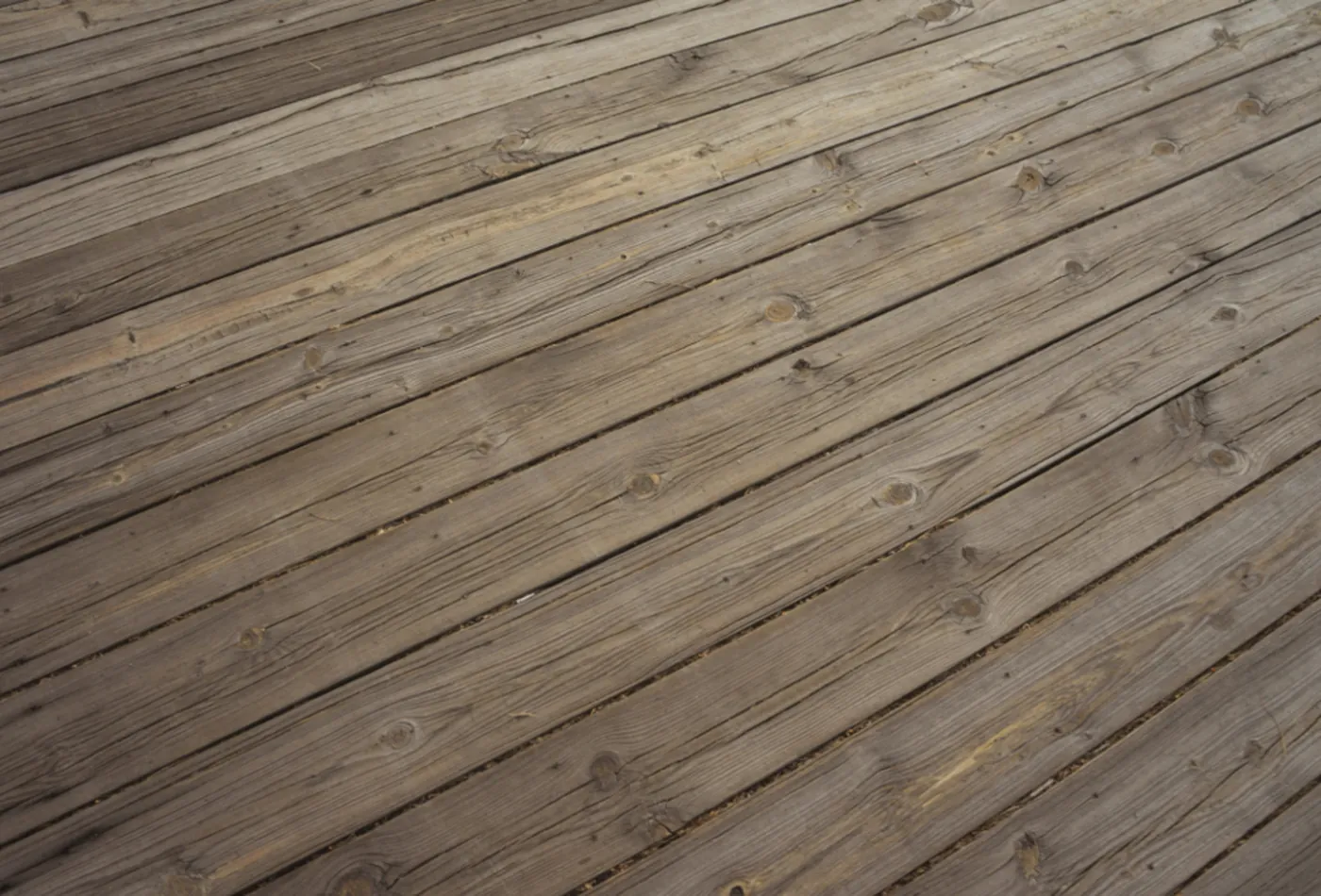
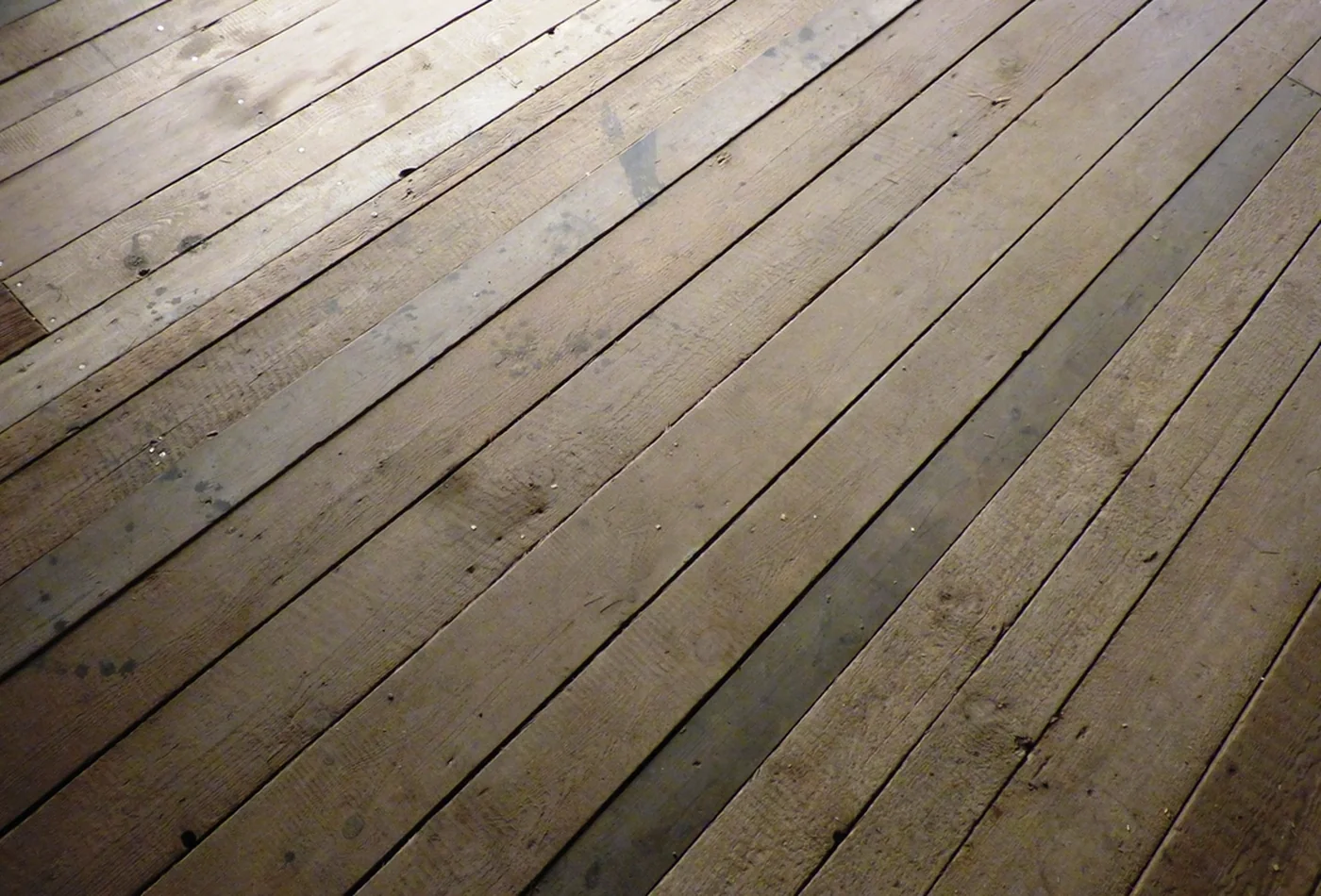
Clean pressure-treated deck boards laid on a diagonal
Why us

Why is composite installed differently, not just laid?

Composite expands and contracts with temperature, the opposite of wet treated lumber. Gap it like wood and it buckles in August. We install to the board maker's numbers, checked against the temperature of the board itself.

  • Gaps set by board temperature
  • Joists spaced for the layout
  • Hidden fasteners kept in system
  • Joist tape over the framing
  • ICC-ES listed boards specified
  • Manufacturer instructions followed
Freshly finished honey-toned deck boards running on a diagonal
Compare

Which decking material is right for a Texas deck?

Upfront cost against maintenance cost against how long you plan to stay. That is the whole decision, and it is not the same answer for everyone.

MaterialRefinishingSurface heatMoistureBest for
Treated pineClean and re-stain on a cycleModerateTreated, but moves as it driesLowest install cost, highest upkeep
CedarFinish to hold color, or let it grayModerateNaturally durable heartwoodWhere the grain will be seen and touched
Capped compositeNoneRuns hot in full sun, color dependentCapped faces resist stain and moistureEnding the maintenance cycle
Cellular PVCNoneGenerally the coolest of the syntheticsNo wood fibre to absorb anythingPool decks, shaded damp sites, longest warranties
Process

How does a composite deck actually go down?

1

Assess

If we are re-decking, the frame gets inspected first. Composite over a tired frame is money spent on the wrong half of the deck.

2

Specify

Board line, color and fastener system chosen together. Colour is a heat decision here as much as a look decision.

3

Prepare

Joists corrected or added where the layout needs closer spacing, then taped along the tops before any board goes down.

4

Install

Boards set to the maker's gap, checked against board temperature, with the hidden fastener system kept to one manufacturer.

Heat, specifically

What 100-degree afternoons do to a synthetic board

Composite is the right answer for most Grand Prairie decks, and the reasons are local. The stain cycle here is punishing because sun rather than rain drives the damage, and composite ends it outright. The catch is the same heat: a board already sitting above about 90 degrees is near the top of its thermal expansion, which changes the gap it should be laid at, and dark boards run considerably hotter than the air. With eighteen days a year at or above 100, color choice and shade are comfort decisions here rather than styling ones. Barefoot is the test that matters, and we would rather you learned that in the showroom than in July.

Capped composite Cellular PVC Re-deck over sound framing Colour chosen for heat
Pale sanded planks with the grain raised and ready for finish

Composite install numbers

1/8 - 3/16 in
Typical side-to-side gap
3/16 in
Minimum gap at a structure
90F
Board temp near max expansion
16 in
Standard joist spacing
12 in
Spacing for diagonal layouts
D7032
ASTM standard for the boards
ICC-ES
Report a board should carry
G185
Zinc class for connectors
What we build

Deck work across Grand Prairie

Six lines of work, all of it outdoor carpentry, all of it drawn and permitted through the city's Building Inspections Division before a single hole is drilled.

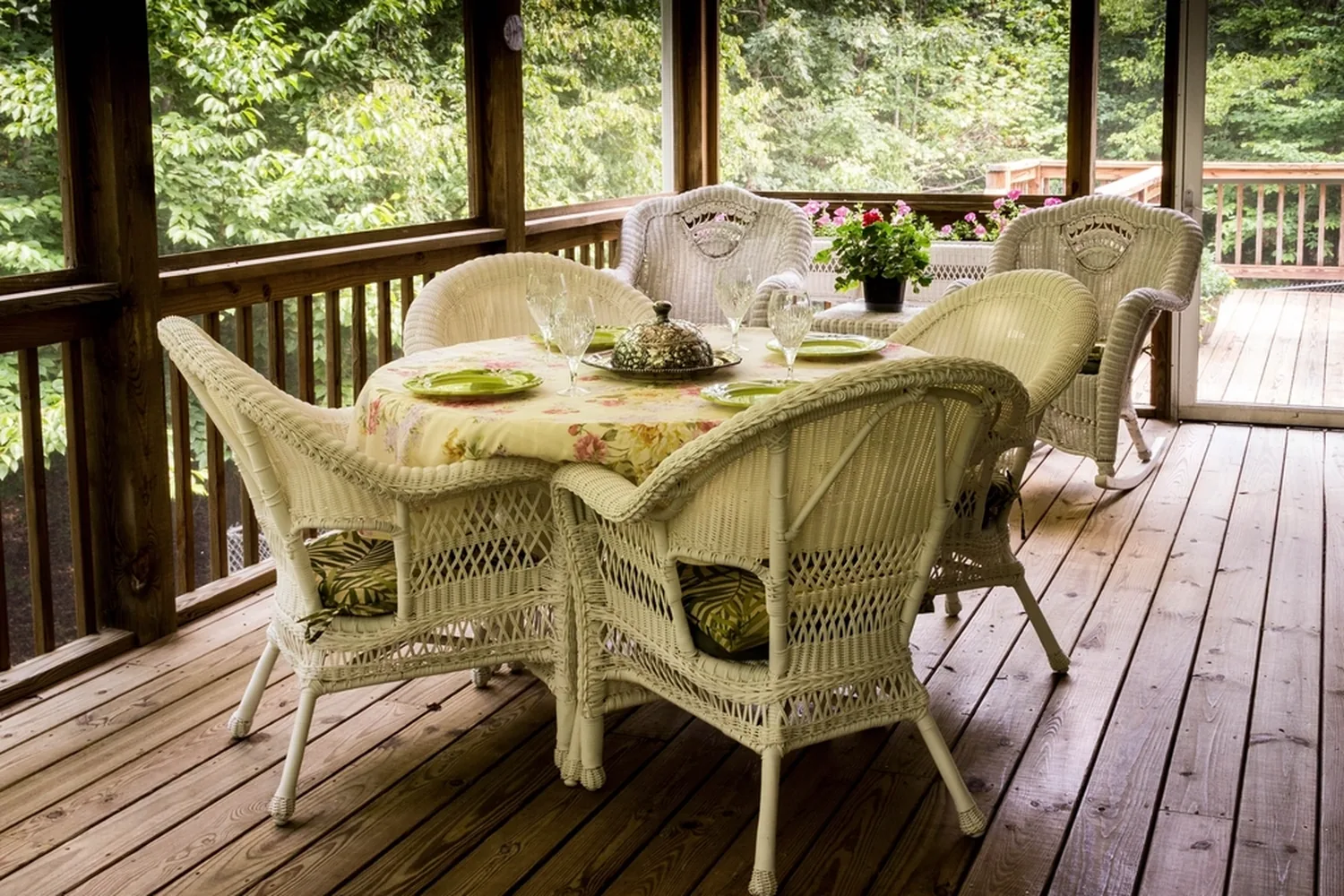
Wicker table and chairs on a covered porch with a stained wood floor

Covered Decks

Roofed decks and patio covers that put real shade over a west-facing back yard by two o'clock.

Read more
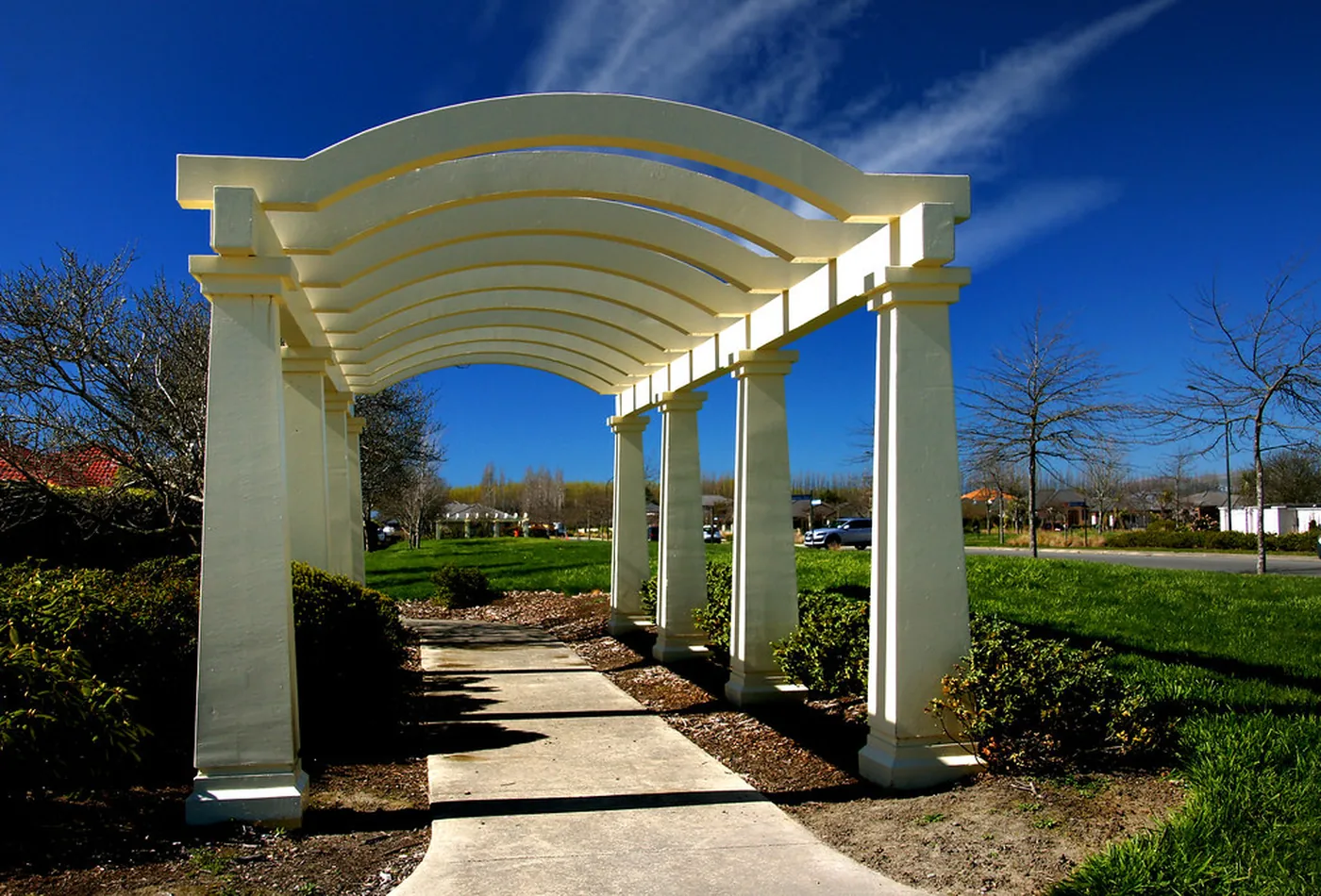
White pergola with arched beams over a garden walkway

Pergolas

Open pergolas and shade structures, with slat depth and rafter run set for a 100-degree afternoon.

Read more
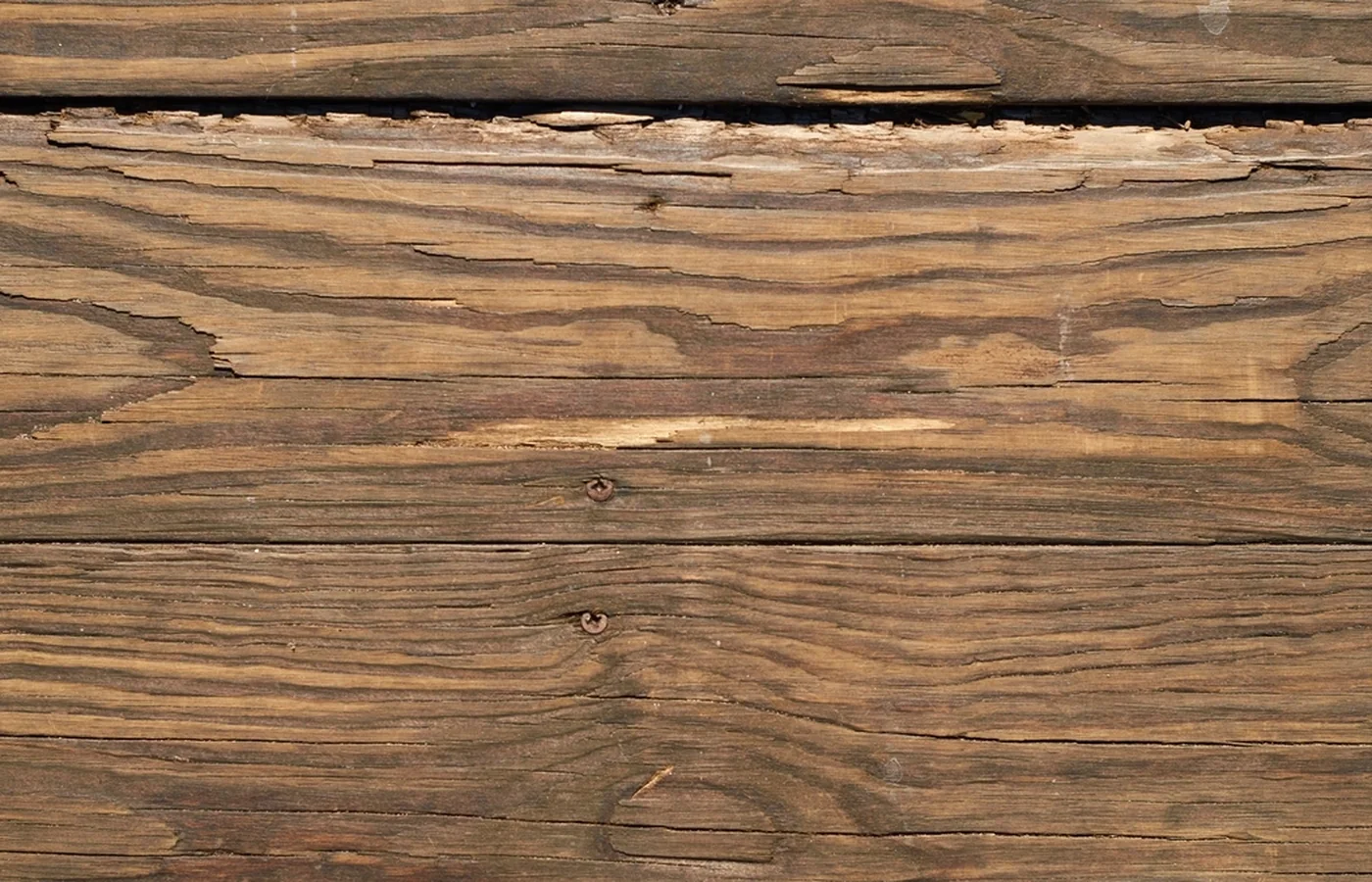
Close-up of a split, checked deck board beside a wide gap

Deck Repair

Rot, racking and loose ledgers diagnosed from under the deck, then repaired or re-framed.

Read more
Freshly finished honey-toned deck boards running on a diagonal

Deck Staining

Cleaning, brightening and refinishing on the short cycle North Texas sun actually demands.

Read more
Service area

Grand Prairie and the rest of Dallas County

Grand Prairie runs long and narrow between Dallas and Fort Worth, so the truck is already crossing county lines most days. Arlington, Irving, Cedar Hill, Duncanville, DeSoto, Mansfield and Midlothian are all inside the normal run, and so is the Mountain Creek side of southwest Dallas. No travel surcharge inside that footprint.

Grand Prairie ArlingtonIrvingMansfield Cedar HillDuncanvilleDeSoto MidlothianOvillaMountain Creek Fort WorthDallasJoe Pool Lake Dallas County
01

Composite decking

Capped composite in the DFW metro typically runs $35 to $75 per square foot installed, against roughly $20 to $50 for pressure-treated. The gap narrows over ownership because there is no stain cycle to pay for.
It can, and color is the biggest factor. Dark boards run considerably hotter than the surrounding air in full sun. Lighter boards, cellular PVC and any amount of shade all move this meaningfully.
Only if the frame is sound. A re-deck is a genuinely good way to upgrade without paying for a new structure, but the joists have to be straight, correctly spaced for the layout, and free of rot at the ledger and posts.
Capped boards carry a co-extruded polymer skin on the exposed faces that resists stain, scratch, fade and moisture. Uncapped first-generation composite is a much weaker product. Capped is the current standard and worth insisting on.
Ask whether it carries an ICC-ES evaluation report. Composite and plastic lumber get code recognition through ASTM D7032, and that report is what lets a building official accept a given brand. It is a real, checkable quality signal.
02

Installation detail

Because composite moves the opposite way to wood. Wet treated lumber shrinks after install and opens its own gap; composite expands in heat. Gap composite like wood and it buckles the first hot week.
Clips that grip the board from the side, into a groove, so no screw heads show. They set a consistent gap automatically. Mixing clip, screw and grooved-board systems from different makers causes both spacing and warranty problems.
Sometimes. Standard spacing suits a straight layout, but diagonal patterns and some commercial-grade boards want tighter spacing. Getting this wrong shows up as bounce and deflection you cannot fix later.
A self-adhesive membrane run along the tops of joists and beams. It sheds the water that sits at the board-to-joist interface and self-seals around every screw. The framing is the expensive half of a deck to replace.
The board maker warrants the boards, and that warranty depends on the boards being installed to their published instructions. That is the practical reason we follow them to the letter rather than to habit.

Tell us what the back yard has to work with

Reach us directly
(817) 854-4111
Call Now
Mon to Sat, 7am to 6pm
Call (817) 854-4111