

Deck Building
New decks framed, flashed and footed to the 2021 code this city actually enforces.
Read moreFinish applied over a dirty or glazed surface fails early no matter what is in the can. Cleaning, brightening and getting the moisture content right is where a refinish is won or lost.
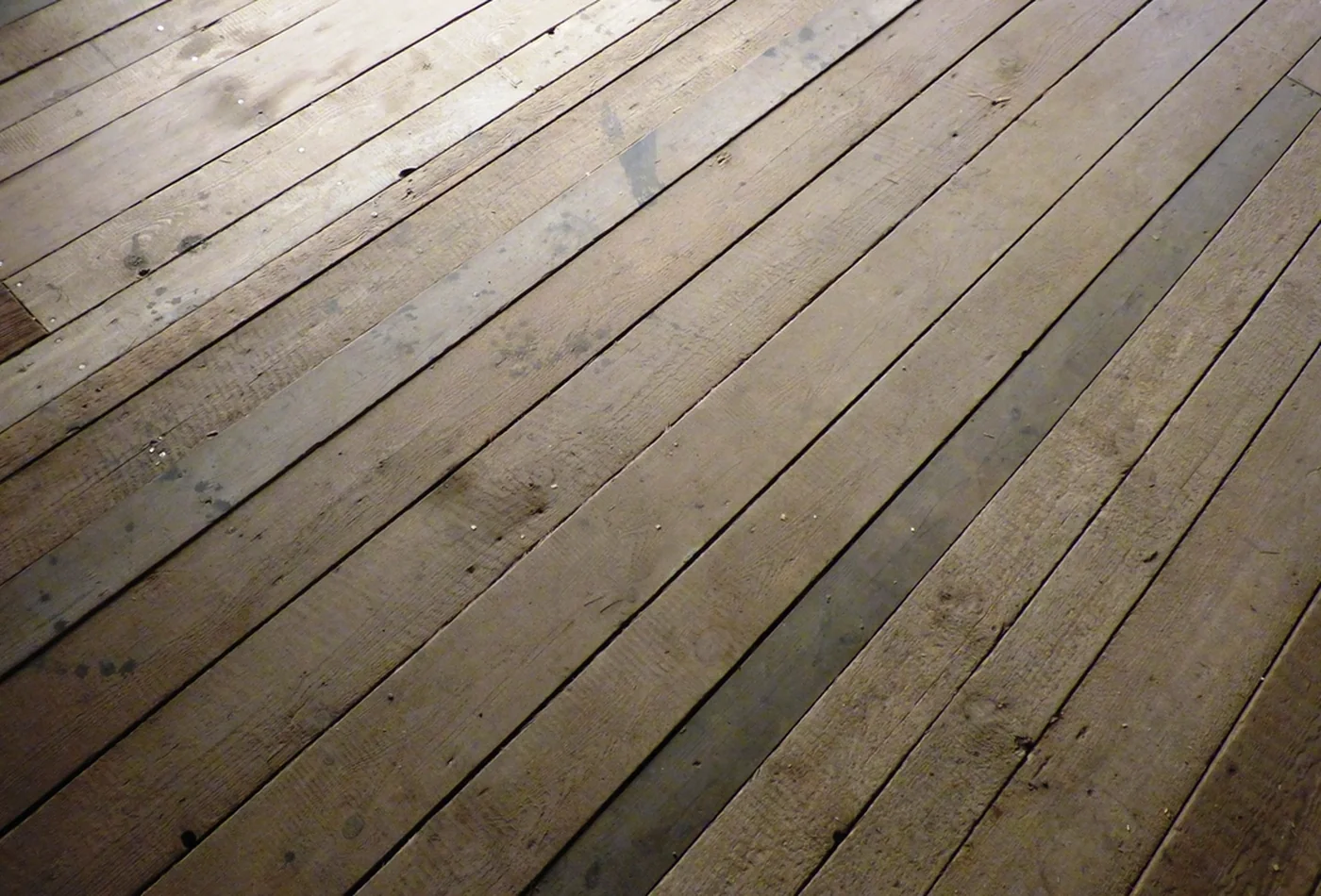
The gate on staining is moisture content, not the calendar. We check the boards rather than working to a rule of thumb, because a finish put onto wood that is still wet peels, and stripping peeled film is a far bigger job.
Wood deck cleaner, scrubbed or lightly washed. Pressure is a tool here, not the method; too much of it furs the surface.
A wood brightener neutralizes the cleaner and opens the pores so finish can actually penetrate rather than sit on top.
Sprinkle water on the boards. Beading means still too wet or still glazed. Soaking in within about ten minutes means ready.
Finish applied to the boards, the railing and the stair treads, worked in rather than flooded on, and back-brushed where it needs it.
Refinishing intervals in North Texas are driven by ultraviolet exposure rather than by wet weather, which is why decks here fail on a different schedule from decks in wetter, cooler markets. With eighteen days a year at or above 100 degrees, a July average high near 96, and very little to break the sun on a flat lot, a south or west-facing deck grays, checks and cups faster than most owners expect. Shaded decks and the boards under a cover behave completely differently. That difference is usually visible on the same deck, which makes it an easy thing to show you on site.
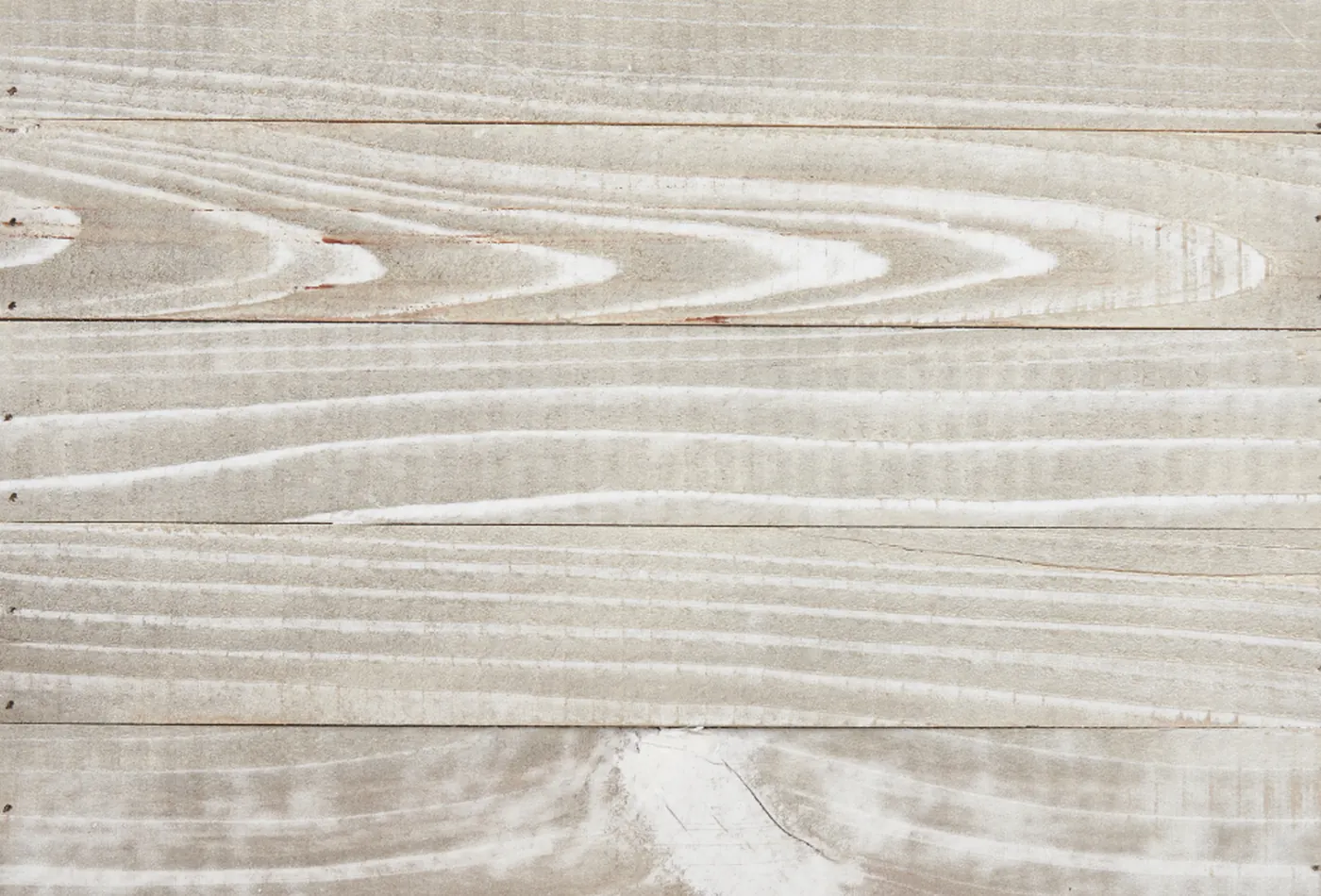
Every finish is a trade between showing the grain and lasting. How it fails matters more than how long it lasts.
| Finish | Grain shown | How it fails | Recoat | Best for |
|---|---|---|---|---|
| Clear water repellent | All of it | Wears away evenly | Clean and recoat | New wood you want to keep looking new |
| Semi-transparent | Most of it | Wears away, no peeling | Clean and recoat | The usual choice on a maintained deck |
| Semi-solid | Some of it | Mostly wears, can flake | Clean and recoat | Older wood with uneven color |
| Solid stain | None | Forms a film, then peels | Strip, then recoat | Tired wood being made uniform, at a cost |
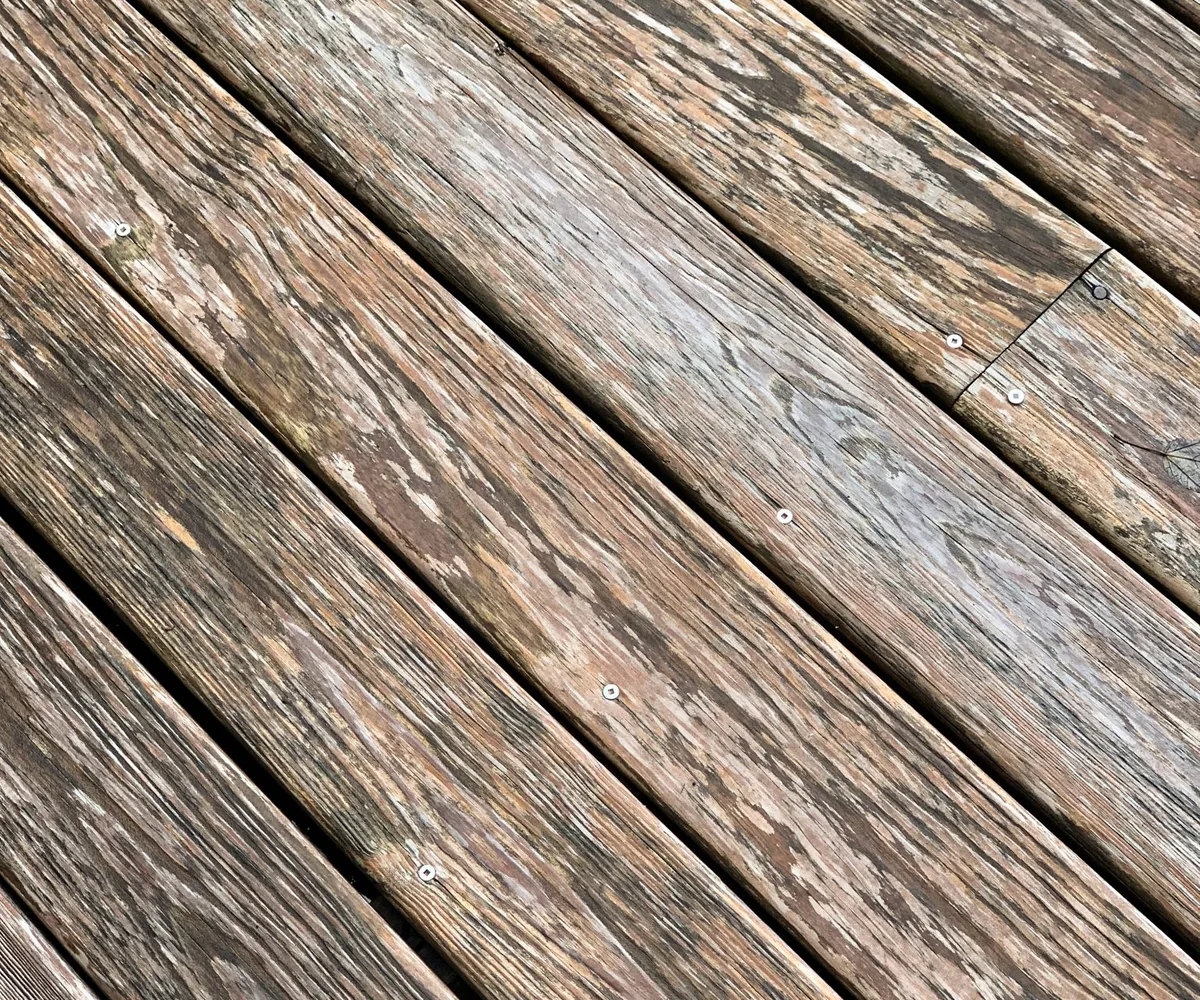
Six lines of work, all of it outdoor carpentry, all of it drawn and permitted through the city's Building Inspections Division before a single hole is drilled.
New decks framed, flashed and footed to the 2021 code this city actually enforces.
Read more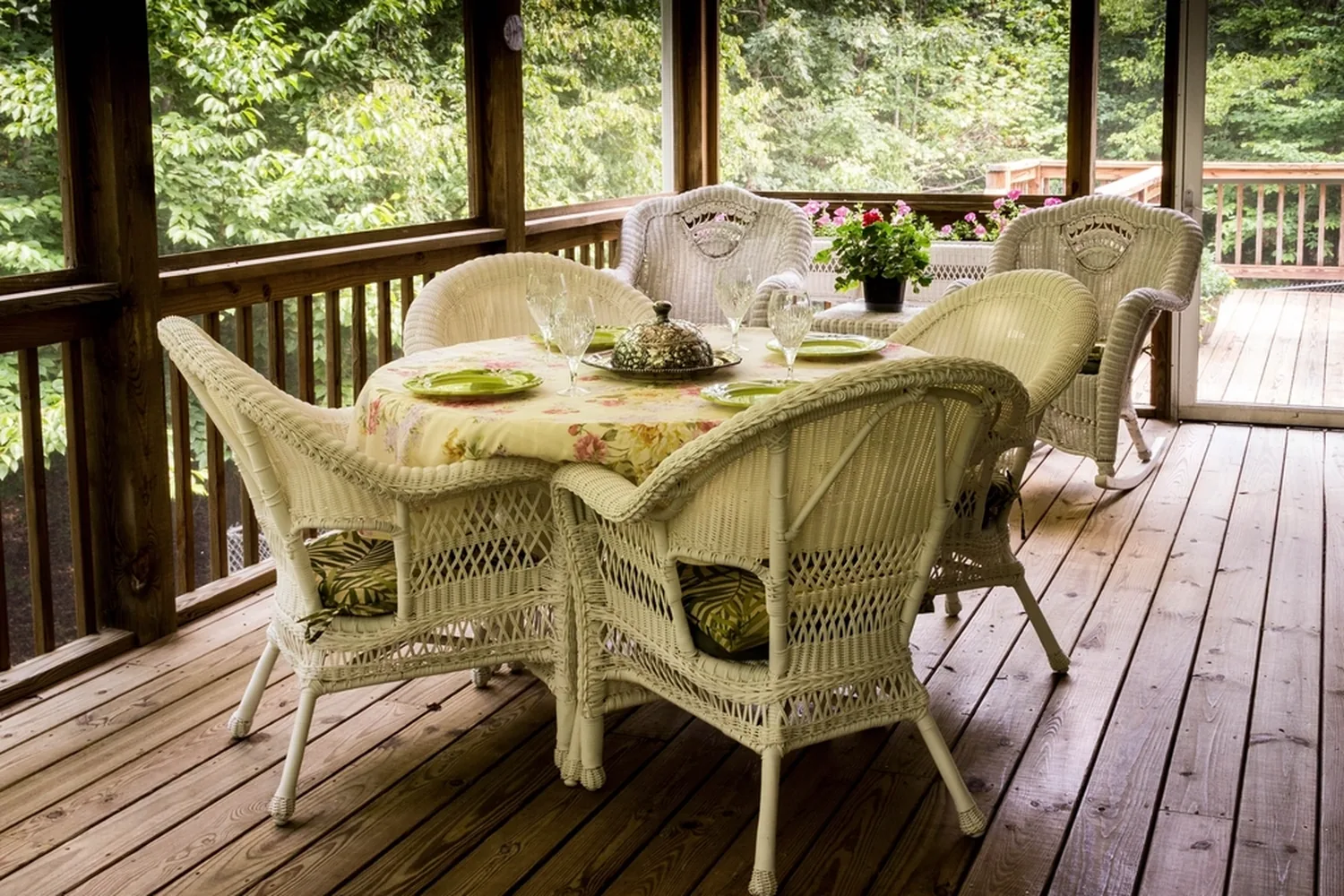
Roofed decks and patio covers that put real shade over a west-facing back yard by two o'clock.
Read more
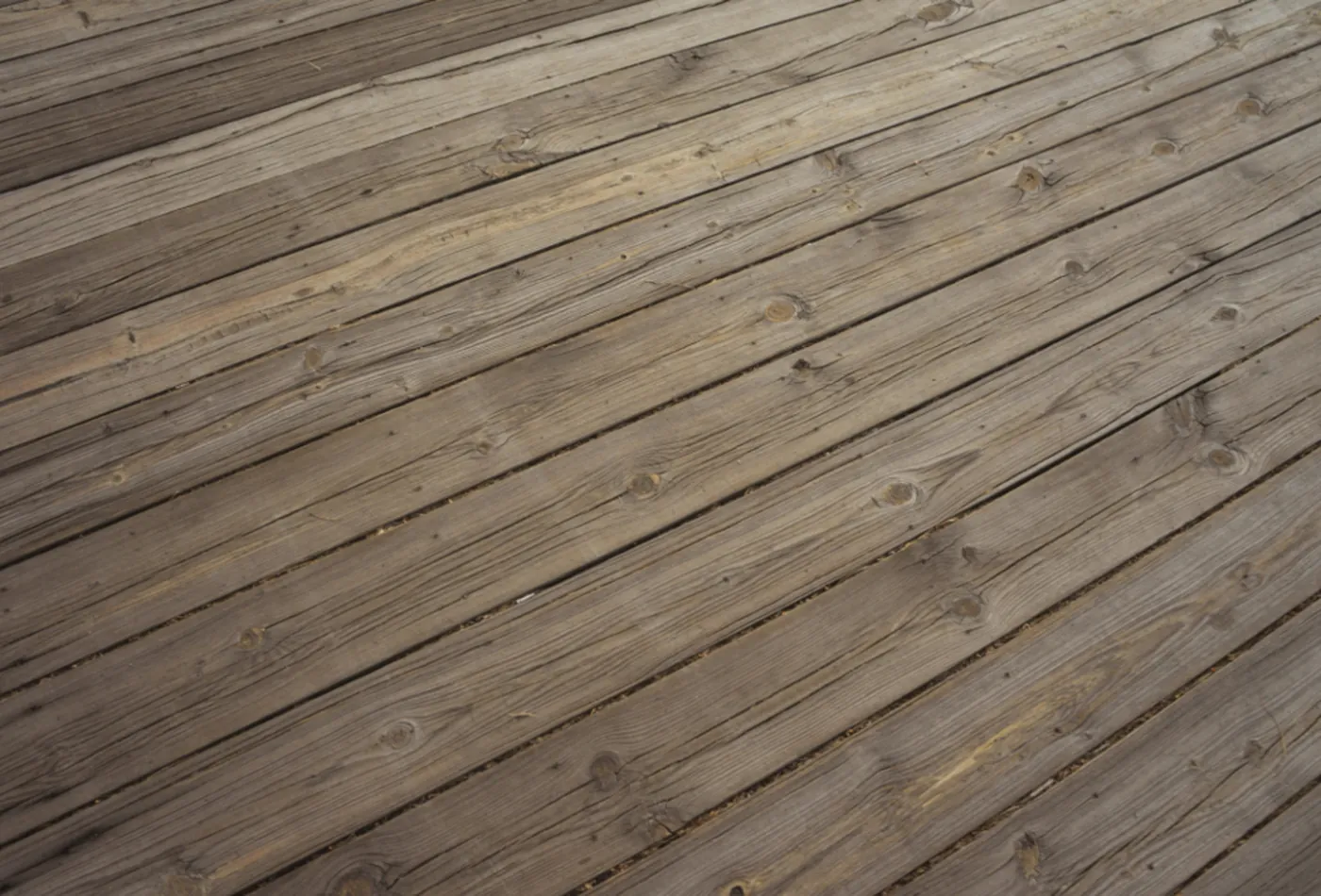
Capped composite and cellular PVC decking specified for surface heat, color and thermal movement.
Read more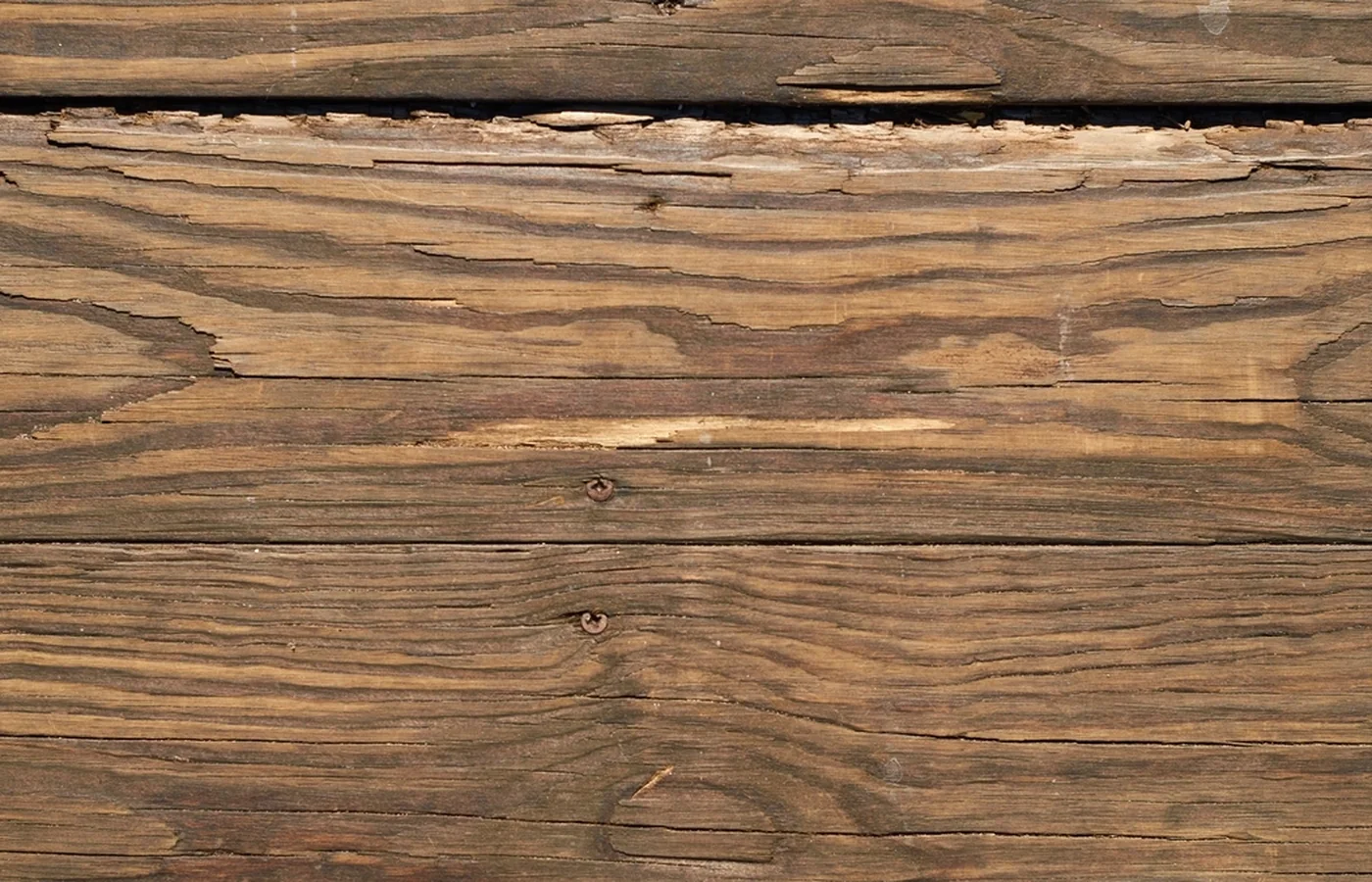
Rot, racking and loose ledgers diagnosed from under the deck, then repaired or re-framed.
Read moreCleaning, brightening and refinishing on the short cycle North Texas sun actually demands.
Read moreIf the boards are still too wet to take a finish, we will reschedule rather than coat them and take your money. A finish that peels in a year costs you the price of stripping it, and that is a worse outcome than waiting a two weeks.
Grand Prairie runs long and narrow between Dallas and Fort Worth, so the truck is already crossing county lines most days. Arlington, Irving, Cedar Hill, Duncanville, DeSoto, Mansfield and Midlothian are all inside the normal run, and so is the Mountain Creek side of southwest Dallas. No travel surcharge inside that footprint.