Service Area About FAQ Contact Call (817) 854-4111
New builds

Decks built to the code this city enforces

Every residential deck in Grand Prairie needs a permit, whatever its size. We build to that from the first pier hole rather than hoping the inspector is in a good mood.

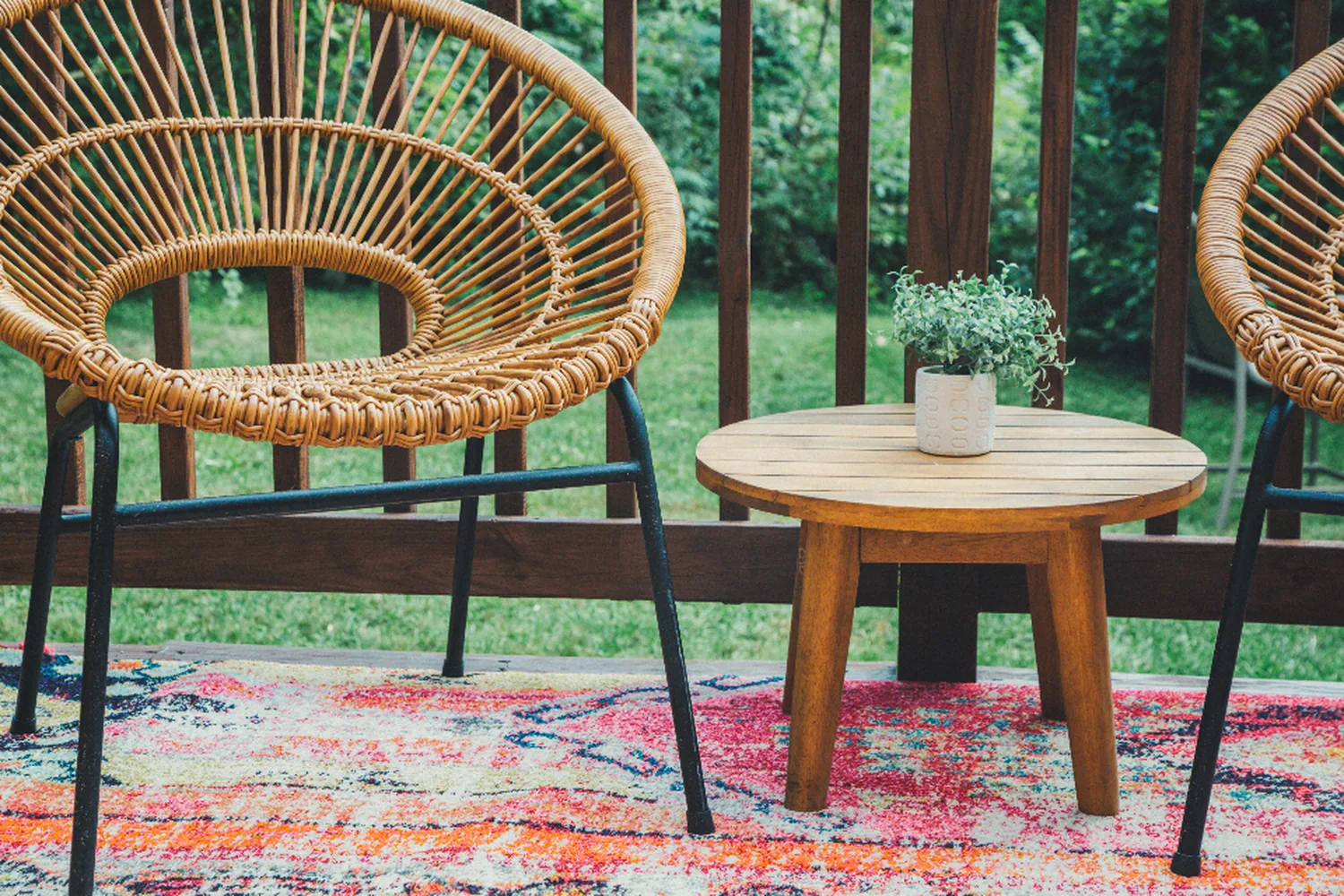
Rattan chairs and a low table on a wood deck behind a timber railing
Why us

What actually carries your deck?

Six parts carry a deck: footings, posts, beams, joists, ledger, then the surface. A failure anywhere in that chain is a failure of the whole deck. Five of the six are invisible once the boards go down.

  • Piers on undisturbed bearing soil
  • Standoff bases under every post
  • Beams bearing on post caps
  • Ledger through-bolted and flashed
  • Hold-downs for lateral load
  • Joist tape over the framing
Clean pressure-treated deck boards laid on a diagonal
Process

How does a deck build actually run?

1

Measure

We look at the wall, the grade, the setbacks and where the water goes. Height above grade decides most of what follows.

2

Permit

Site plan, dimensions, materials and framing detail go in through the city's portal. Processing runs about five to ten business days.

3

Frame

Pier holes are inspected before concrete. Ledger, flashing, beams and joists go in, and framing is inspected before decking covers it.

4

Finish

Decking, guards, stairs and hardware, then final inspection. The site is cleared and the spoil and offcuts leave with us.

On this ground

What a deck here has to survive before it is old

A deck in Grand Prairie fights two things, and neither of them is winter. The first is the clay: Blackland Prairie soil swells and shrinks through the wet and dry cycles, and footings that stop in that active layer take the framing with them. The second is sun. With eighteen days a year at or above 100 degrees and a July average high near 96, an unfinished south or west-facing deck grays, checks and cups fast. So we drill deeper than the surface layer, and we talk about finish or composite before the framing, not after. Neither problem is exotic. Both are just the ground and the sky you happen to build under here.
Drilled pier footings Standoff post bases Flashed ledger detail Hardware rated for treated wood
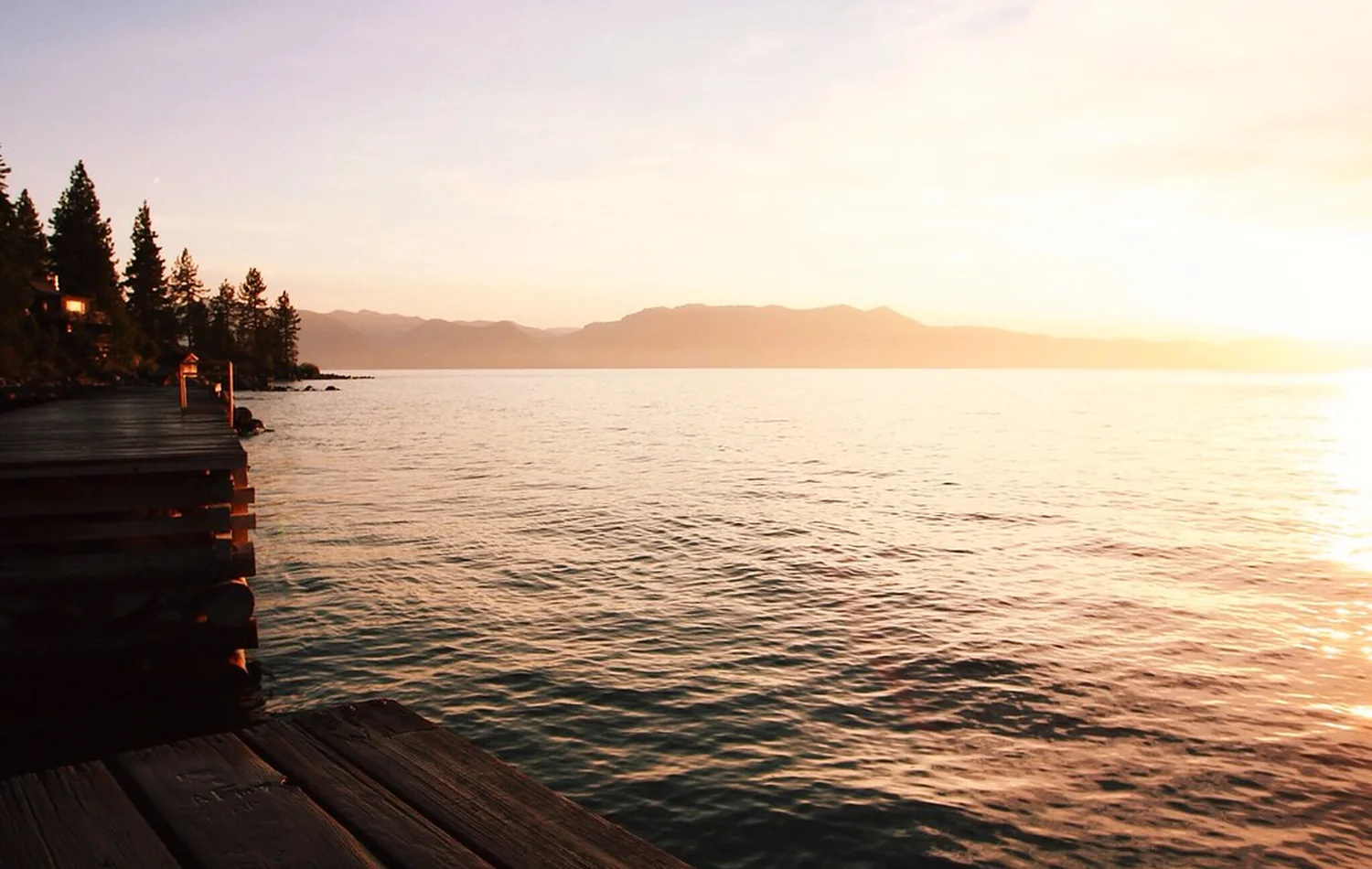
Weathered deck boards at the water's edge at sunset

Code numbers we build to

2x8
Minimum ledger size
0.019 in
Minimum flashing thickness
1,500 lb
Per lateral hold-down
2,500 psi
Minimum footing concrete
36 in
Minimum guard height
200 lb
Guard load at the top rail
4 in
Sphere that must not pass
16 in
Typical joist spacing
What we build

Deck work across Grand Prairie

Six lines of work, all of it outdoor carpentry, all of it drawn and permitted through the city's Building Inspections Division before a single hole is drilled.

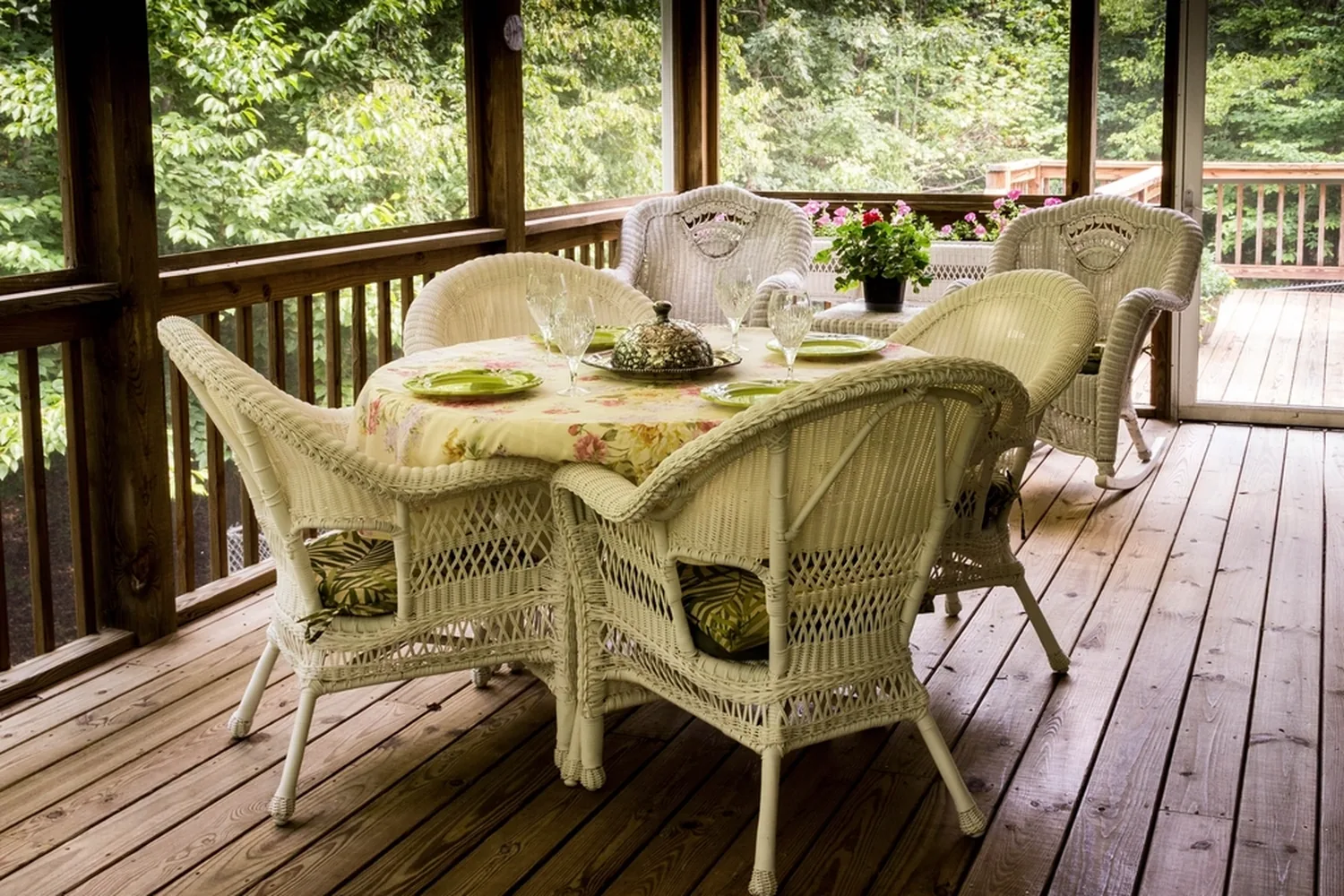
Wicker table and chairs on a covered porch with a stained wood floor

Covered Decks

Roofed decks and patio covers that put real shade over a west-facing back yard by two o'clock.

Read more
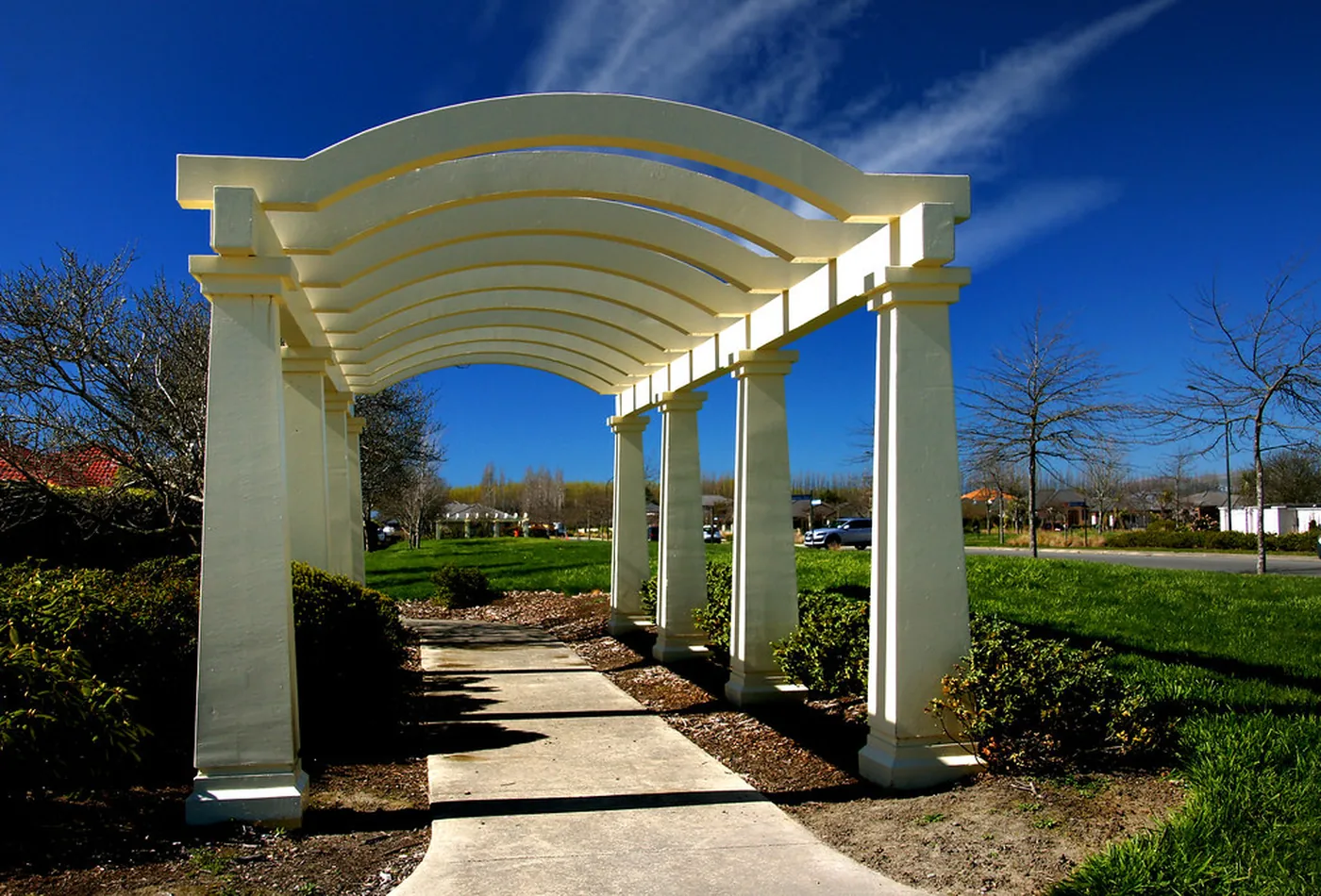
White pergola with arched beams over a garden walkway

Pergolas

Open pergolas and shade structures, with slat depth and rafter run set for a 100-degree afternoon.

Read more
Close-up of a split, checked deck board beside a wide gap

Deck Repair

Rot, racking and loose ledgers diagnosed from under the deck, then repaired or re-framed.

Read more
Freshly finished honey-toned deck boards running on a diagonal

Deck Staining

Cleaning, brightening and refinishing on the short cycle North Texas sun actually demands.

Read more
Our promise

If the ledger cannot go on safely, we will tell you and build the deck free-standing instead of bolting it to something that will not hold. That conversation costs you nothing now and saves the whole structure later.

Service area

Grand Prairie and the rest of Dallas County

Grand Prairie runs long and narrow between Dallas and Fort Worth, so the truck is already crossing county lines most days. Arlington, Irving, Cedar Hill, Duncanville, DeSoto, Mansfield and Midlothian are all inside the normal run, and so is the Mountain Creek side of southwest Dallas. No travel surcharge inside that footprint.

Grand Prairie ArlingtonIrvingMansfield Cedar HillDuncanvilleDeSoto MidlothianOvillaMountain Creek Fort WorthDallasJoe Pool Lake Dallas County
01

Building a new deck

None. The city requires an approved permit for all residential deck, patio and porch work regardless of size. The IRC's 200 square foot exemption does not apply here, which catches people who have built elsewhere in the metro.
Deep enough to bear on undisturbed soil below the layer that moves with the wet and dry cycle. Grand Prairie does not publish its design criteria online, so we confirm the required depth with Building Inspections before drilling rather than guessing.
No. The code specifically prohibits supporting a deck ledger on stone or masonry veneer. Veneer is cladding, not structure. On a brick home the ledger either reaches the band joist properly or the deck stands free on its own posts.
Guards are required at open sides once you are above the walking surface below by the code threshold, and they must be at least 36 inches with no gap that passes a 4-inch sphere. Any flight of four or more risers also needs a graspable handrail.
Yes, and sometimes we recommend it. A free-standing deck carries its own load on its own posts instead of depending on the house band joist, which removes the single most common failure point in the trade.
02

Materials and timing

Treated pine is cheapest to install and the most expensive to maintain. Cedar looks better and still needs finishing. Composite and PVC cost more up front and end the stain cycle entirely. How long you plan to stay decides it.
It depends on the material. Wet treated lumber is laid nearly tight because it shrinks and opens its own gap as it dries. Composite does the opposite and expands in heat, so it gets the maker's gap, checked against board temperature.
Modern treated wood is roughly twice as corrosive to steel as the old CCA lumber was. Fasteners want hot-dip galvanized or stainless, connectors want G185 sheet, and mixing metals sets up galvanic corrosion inside the joint.
It is a large concentrated load, and a filled tub needs framing and footings designed for it rather than a standard deck frame. Tell us at the measure if one is planned, even if it is a later phase.
Deck season here is close to year-round; winters are mild and interrupted by the odd ice event rather than a long freeze. Summer builds simply start early in the day, because afternoons in July are punishing.

Tell us what the back yard has to work with

Reach us directly
(817) 854-4111
Call Now
Mon to Sat, 7am to 6pm
Call (817) 854-4111