
Service Area About FAQ Contact Call (817) 854-4111
Repairs

Find out what is wrong before you patch it

Where the damage is matters far more than how much of it there is. Surface boards are a resurface. Rot in the framing, the posts or the ledger is a different conversation entirely.
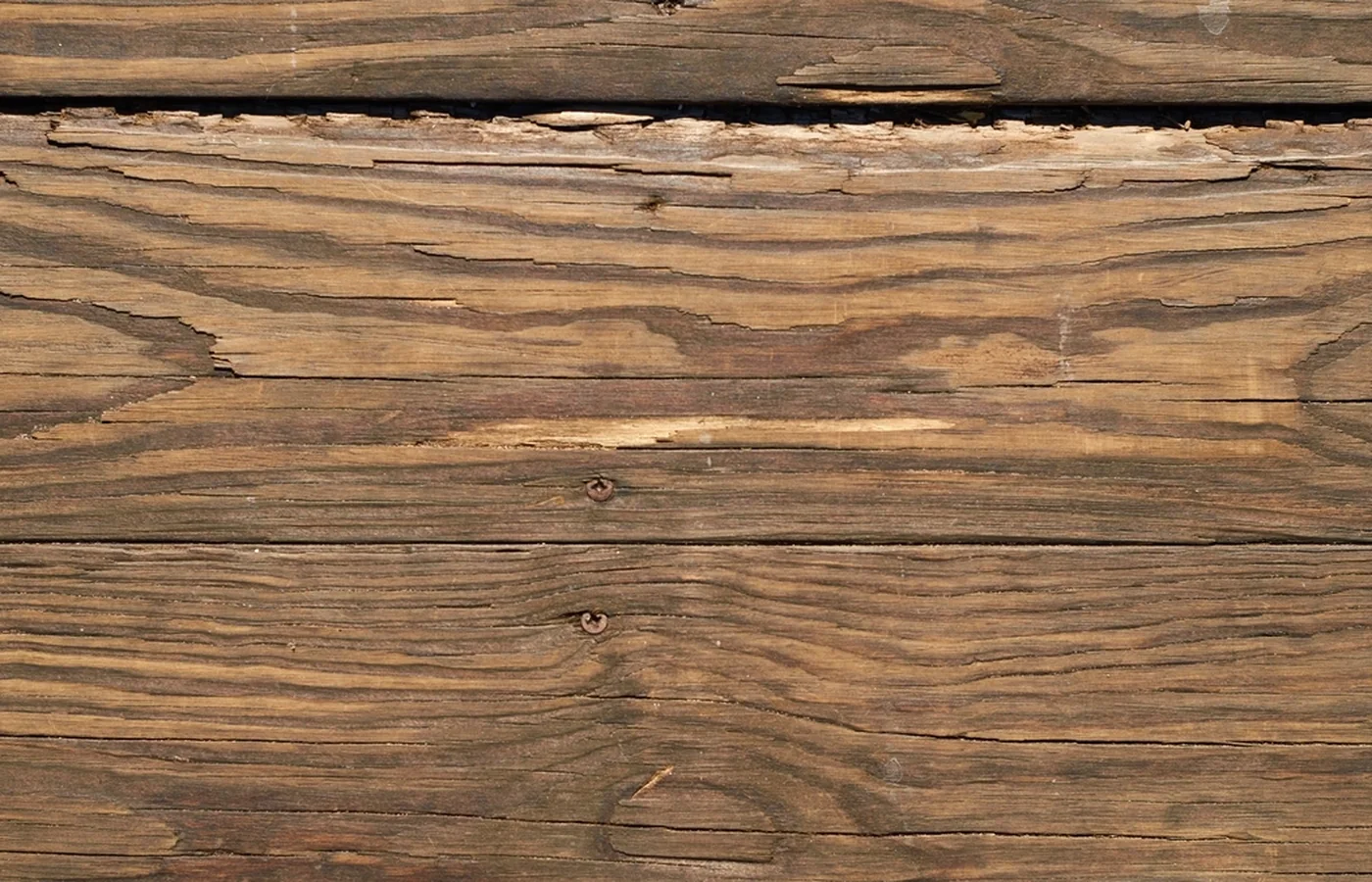
Close-up of a split, checked deck board beside a wide gap

Which six things are worth checking today?

Decks are inspected once, at final, and then effectively never again. These are the findings that come up most on decks around this city.

Spongy wood

Push an awl or a screwdriver into posts, joists and stair stringers. If the point sinks and the wood gives, that is rot, not weathering.

Deck pulling away

A gap opening between the deck and the house, or nail heads backing out of the ledger. This is the failure that ends badly.

Racking out of square

The frame leans slightly under load or the stairs no longer meet the deck cleanly. Usually a footing that moved with the clay.

Wobbly guard posts

Lean on the rail at height. A guard has to resist a 200-pound push at the top rail, and notched or lag-screwed posts often cannot.

Uneven bottom step

Risers in one flight must not vary by more than 3/8 inch. The bottom step is where this goes wrong, and it is the classic trip.

Rust streaks at the fixings

Black or rust staining around screws in treated wood means the wrong metal went in. The corrosion is happening inside the joint.

Why us

Why look at the frame before quoting boards?

Anyone can quote replacing deck boards. The question that decides the job is what the structure underneath is doing, and that means getting under the deck with a probe rather than pricing what is visible from above.

  • Substructure probed, not eyeballed
  • Ledger and flashing checked first
  • Footing movement diagnosed
  • Localised rot cut out and treated
  • Re-deck over corrected framing
  • Repair-or-replace given straight
Gray weathered deck boards with raised grain and open gaps
The decision

Repair, resurface or replace?

Where the damage sits decides this, not how much of it there is.

  • Surface onlyCupped, split or grayed boards over sound framing is a resurface: strip the deck, correct and tape the joists, lay new decking. This is where an upgrade to composite makes sense without paying for a new structure.
  • Small, localized rotRoughly thumb-sized soft spots can be cut out and treated with a preservative. Anything larger means the member gets replaced, not filled.
  • Framing, posts or ledgerRot or movement in the structure means replacement, not repair. A rotted ledger is not a patchable condition, and neither is a post that has been buried in soil.
  • The connection that matters mostFrank Woeste, the Virginia Tech professor whose research with Joseph Loferski produced the deck ledger bolting schedules later adopted into the IRC, has said he believes roughly 90 percent of deck collapses come down to failure of the ledger-to-house connection, most of them nailed-only ledgers.
  • Why unflashed is worse than unboltedIf water gets behind an unflashed ledger, the sheathing and band joist rot, and the wood the bolts were gripping is no longer there. The deck looks fine right up until it is not.

Process

Diagnose, then quote

1

Inspect

We get under the deck and probe posts, joists, stringers and the ledger, then look at the flashing and the footings.

2

Report

You get told what is structural, what is cosmetic, and what can wait. In writing, with the reasoning, not just a number.

3

Repair

Members are replaced rather than patched where the rot is beyond a small cut-out. Hardware is brought up to current standard as we go.

4

Resurface

If the frame is sound, joists get corrected and taped and new decking goes down, in wood or composite.

Local pattern

What we actually find on decks in this city

Two things drive most of the repair work here, and neither is the one homeowners expect. The first is footing movement: Blackland Prairie clay shifts through the wet and dry cycle, and a deck whose piers stopped in that active layer racks, drops a corner and pulls stair flights out of alignment. The second is sun. Eighteen days a year at or above 100 degrees, on a deck that has never been sealed, grays and checks the surface long before the frame is finished. North-side homes around Dalworth Park and the Forum area carry the oldest stock, and it shows.
Structural diagnosis first Rot cut out or replaced Frame corrected before re-decking Old material hauled off
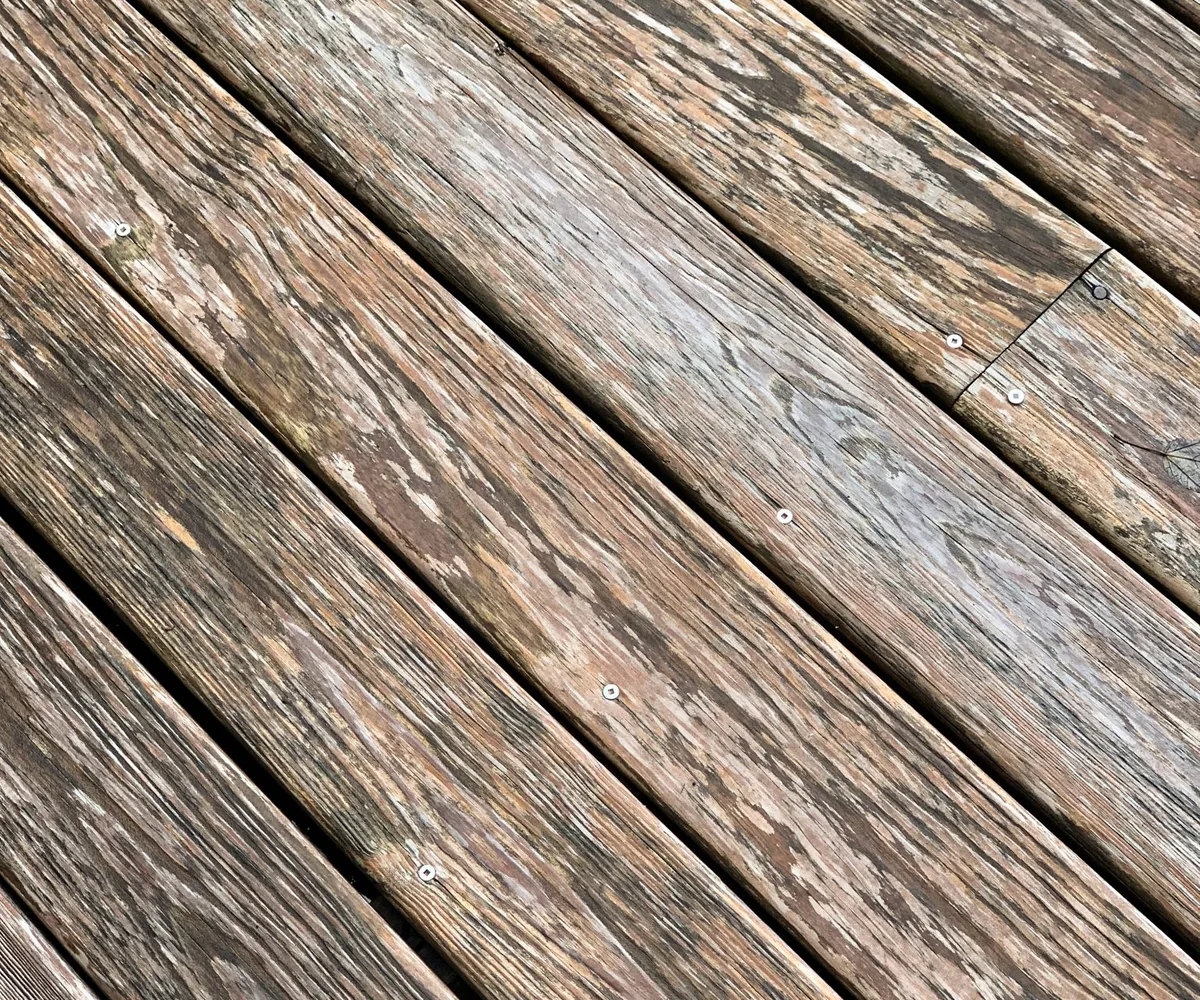
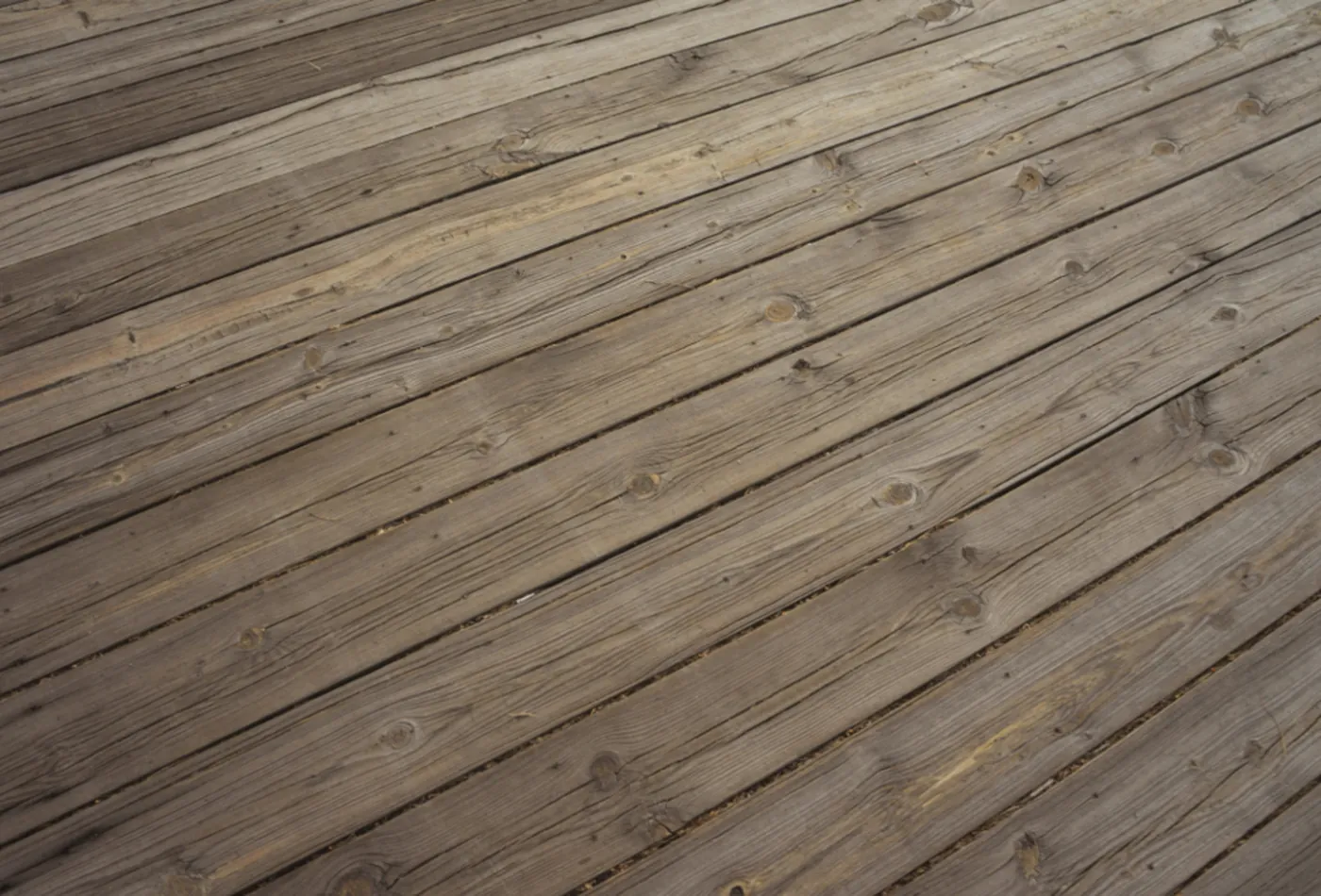
Gray weathered deck boards with raised grain and open gaps
What we build

Deck work across Grand Prairie

Six lines of work, all of it outdoor carpentry, all of it drawn and permitted through the city's Building Inspections Division before a single hole is drilled.

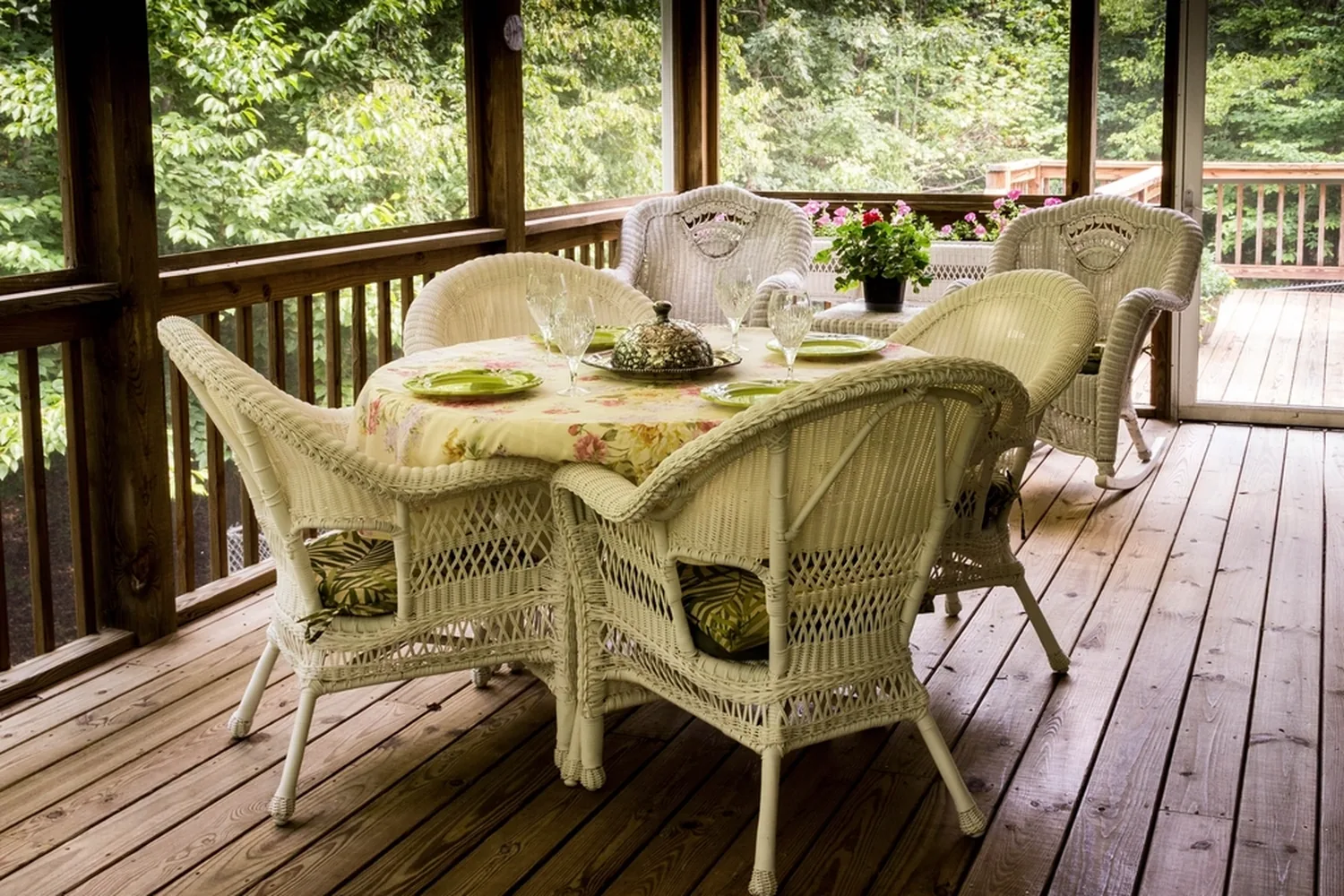
Wicker table and chairs on a covered porch with a stained wood floor

Covered Decks

Roofed decks and patio covers that put real shade over a west-facing back yard by two o'clock.

Read more
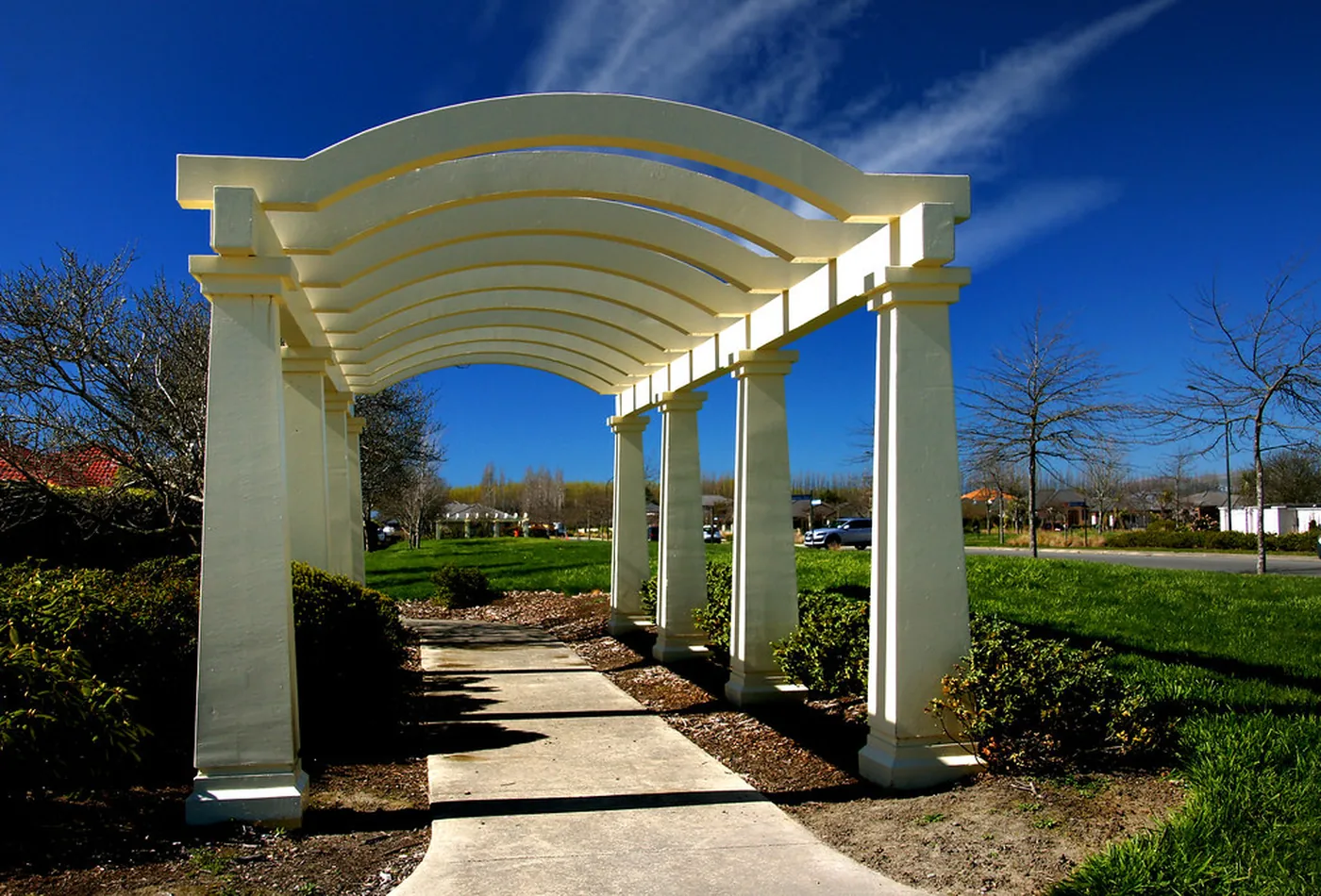
White pergola with arched beams over a garden walkway

Pergolas

Open pergolas and shade structures, with slat depth and rafter run set for a 100-degree afternoon.

Read more
Close-up of a split, checked deck board beside a wide gap

Deck Repair

Rot, racking and loose ledgers diagnosed from under the deck, then repaired or re-framed.

Read more
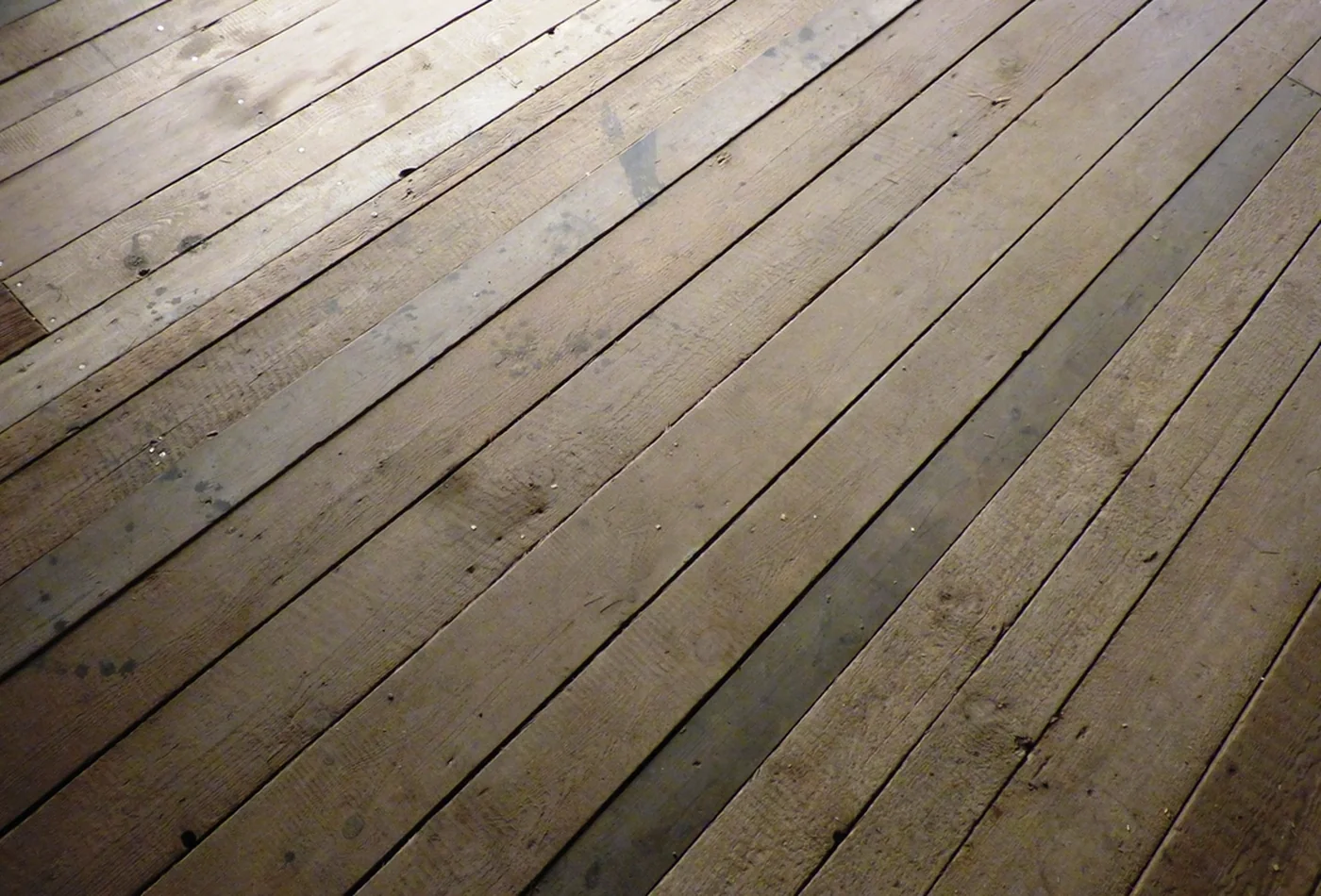
Freshly finished honey-toned deck boards running on a diagonal

Deck Staining

Cleaning, brightening and refinishing on the short cycle North Texas sun actually demands.

Read more
Service area

Grand Prairie and the rest of Dallas County

Grand Prairie runs long and narrow between Dallas and Fort Worth, so the truck is already crossing county lines most days. Arlington, Irving, Cedar Hill, Duncanville, DeSoto, Mansfield and Midlothian are all inside the normal run, and so is the Mountain Creek side of southwest Dallas. No travel surcharge inside that footprint.

Grand Prairie ArlingtonIrvingMansfield Cedar HillDuncanvilleDeSoto MidlothianOvillaMountain Creek Fort WorthDallasJoe Pool Lake Dallas County
01

Repair or replace

Probe the wood around posts, joists, stair stringers and the ledger with an awl; rotted wood is soft and gives under the point. NADRA publishes a free Deck Evaluation Checklist covering the same walk-through, and runs May as Deck Safety Month.
It depends entirely on where the damage is. Surface-only damage over a sound frame is a resurface and costs a fraction of a rebuild. Rot in the ledger, posts or framing means replacement, and patching it is money wasted.
It can be. Some bounce is joist deflection and is a comfort issue. Movement side to side, or a gap opening at the house, points at the lateral connection or the footings, and both of those are structural.
For like-for-like board replacement, often not; for structural work, altering or replacing the deck, assume yes. Grand Prairie requires an approved permit for residential deck work regardless of size, so confirm on 972-237-8230 before starting.
Yes, and stairs are one of the most common single-item repairs. The usual fault is the bottom riser being a different height from the rest, which happens when the landing pad was not accounted for.
02

Older decks

Possibly. Residential CCA-treated wood production ended on 31 December 2003 under an agreement with the EPA, so a deck built before roughly 2004 is likely CCA. The EPA does not require removing it, and a penetrating stain may reduce leaching.
It goes to the city landfill on MacArthur Boulevard, which takes construction and demolition debris. Treated wood is never burned. Texas rules keep treated lumber out of burn piles and send it to a permitted landfill.
That is a resurface, and it is often the best value on the board. The frame gets inspected, any bad members replaced, joists corrected and taped, then new decking. It is also the moment to switch to composite.
Usually. Guard posts are one of the two connections the industry consistently flags as weak, because a notched or lag-screwed post frequently cannot develop the 200-pound load the code requires. Dedicated hold-down hardware exists for exactly this.
Then the repair goes into the house: the ledger comes off, the damaged sheathing and band joist are cut out and replaced, and the whole thing is flashed properly before anything is bolted back.

Tell us what the back yard has to work with

Reach us directly
(817) 854-4111
Call Now
Mon to Sat, 7am to 6pm
Call (817) 854-4111